
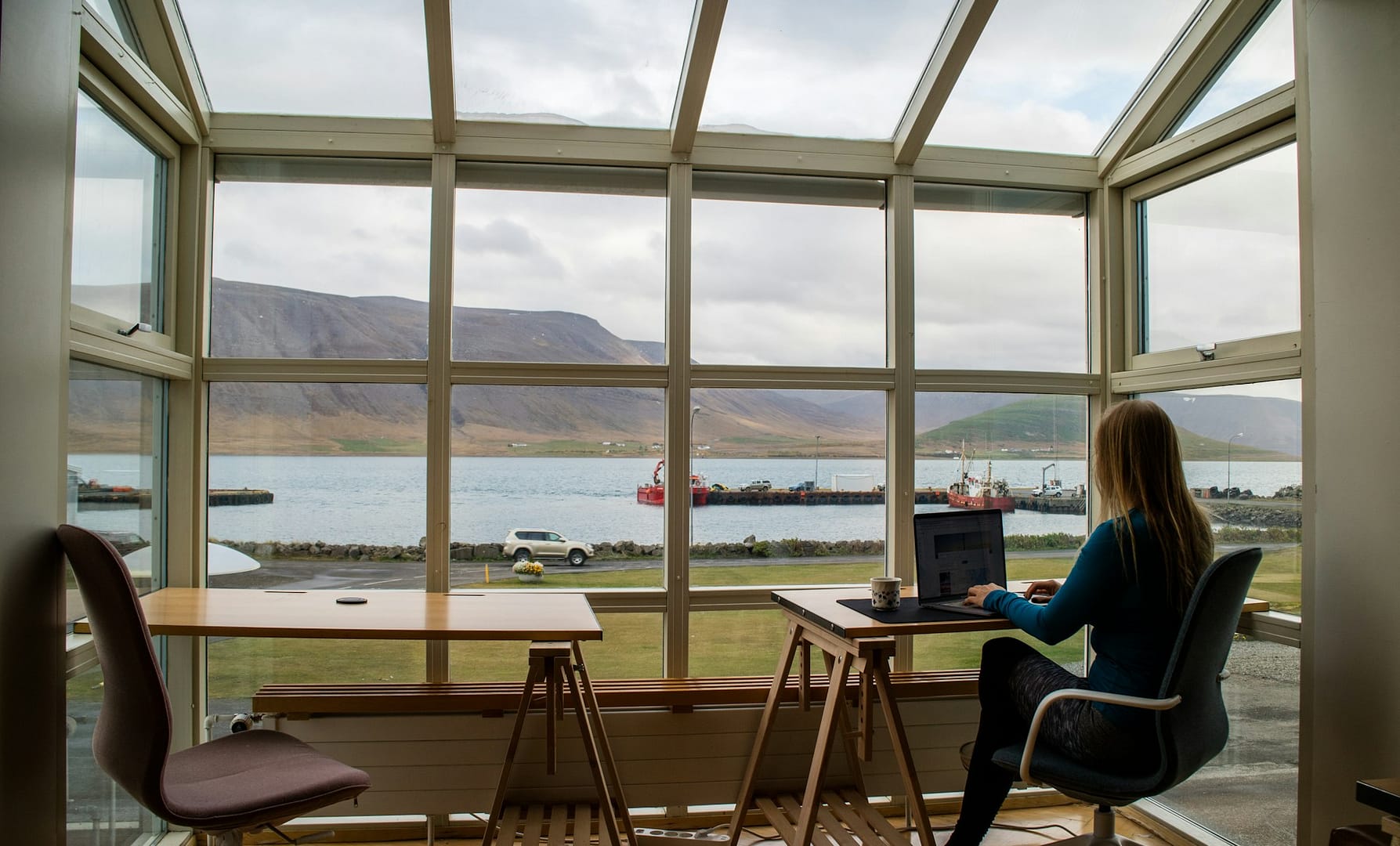
Digital Nomad Life: How to Work Remotely While Traveling Internationally
The digital nomad lifestyle is more popular than ever. Working remotely while exploring new countries offers freedom and adventure. It allows you to combine career growth with travel experiences. Yet, it requires planning, discipline, and adaptability. With the right strategies, and if you read advice from experienced travelers, you can work efficiently and enjoy your surroundings. A successful digital nomad journey balances productivity with exploration. This guide covers essential tips to thrive as a global remote worker.
Understanding the Digital Nomad Lifestyle
Digital nomads are not just remote workers. They are global explorers. They move from city to city while maintaining income streams. This lifestyle provides flexibility but also comes with challenges. Time zones, connectivity, and cultural differences can affect work. Understanding these dynamics is crucial. When you anticipate potential hurdles, you can manage them effectively. Embracing this lifestyle requires adaptability and an open mindset.
Choosing the Right Destinations

Your work environment affects productivity. Some cities offer fast internet, coworking spaces, and affordable living. Others may have slower connections or limited infrastructure. Research is key. Look for destinations that suit both your professional and personal goals. Consider safety, cost of living, and visa requirements. The best locations balance work efficiency with lifestyle benefits. Choosing carefully ensures your experience is productive and enjoyable.
Setting Up a Reliable Workspace
A stable workspace is critical for remote work. Cafés, coworking spaces, or even hotel rooms can serve as offices. Evaluate internet speed, noise levels, and comfort before committing. A proper setup reduces stress and maintains focus. Ergonomic seating and consistent connectivity make a big difference. A dedicated space helps you separate work from exploration. This boundary supports mental clarity and prevents burnout.
Managing Time Zones and Work Schedules
Working internationally often means crossing time zones. Scheduling meetings and deadlines requires planning. Digital nomads must communicate clearly with clients or teams. Tools like shared calendars and project management apps help. Create a routine that balances work hours and travel activities. Flexibility is essential, but consistency ensures you meet professional expectations. Being proactive with scheduling prevents conflicts and maintains your credibility.
Maintaining Productivity on the Road

Traveling introduces distractions. New experiences, attractions, and people can disrupt focus. Establish routines to stay productive. Prioritize tasks and set achievable daily goals. Limit multitasking and take intentional breaks to recharge. Productivity tools, cloud storage, and offline backups also support your workflow. Maintaining efficiency while traveling ensures you meet commitments without sacrificing exploration.
Staying Connected and Networking
Networking remains important, even as a nomad. Online communities, coworking spaces, and local events provide opportunities to meet like-minded professionals. Building relationships can open doors for collaborations, freelance projects, and learning experiences. Staying connected also helps with local tips and resources. Engaging with others in the nomad community adds a unique layer to the experience. It turns solitary work into a shared journey.
Balancing Work and Exploration
The essence of the digital nomad lifestyle is balance. You are traveling to experience, not just work. Carve out time for sightseeing, local cuisine, and cultural activities. Avoid overloading work schedules. Flexibility allows you to adapt when opportunities arise. Travel itself becomes part of your lifestyle, not just a backdrop. Achieving this balance makes the nomadic experience fulfilling and sustainable. A unique adventure can coexist with consistent professional output when planned wisely.
Managing Finances and Legal Requirements

Financial planning is a key aspect of international remote work. Taxes, banking, and income reporting vary by country. Research local regulations and visa requirements before you travel. Budgeting helps cover accommodation, transportation, and work-related expenses. Some countries offer digital nomad visas or temporary work permits. Being informed ensures you comply with laws while protecting your income. This step safeguards both your work and your travels.
Living as a digital nomad offers freedom, growth, and adventure. Success requires preparation, discipline, and adaptability. Choosing the right destinations, maintaining productivity, and balancing work with exploration are essential. Networking, financial planning, and …


 When you’re planning your
  The Caribbean is full of surprises, so don’t make your plans too rigid. Leave some room for spontaneity and be open to making last-minute changes if necessary. You never know what kind of amazing experiences you might stumble across if you leave yourself open to new possibilities. So, don’t be afraid to explore and try something different.
 When packing for a long trip, it is essential to pack light. You don’t want to be lugging around a heavy suitcase or backpack. Instead, pack only the essentials. This includes items like clothes, toiletries, and electronics. Also, make sure you have a good travel bag that is comfortable to carry. Be aware of luggage’s weight and size restrictions if traveling by plane. You don’t want to get charged extra fees for overweight or oversized baggage. Also, remember that you will probably do a lot of walking on your trip. So pack comfortable shoes that you can walk in all day.
 If you are traveling abroad, ensure your passport is up to date. You will also need a visa if your destination country requires one. It is also a good idea to make copies of important documents, such as your passport and travel insurance policy.


 One of the first things you should do when exploring an abandoned place is to ask permission from the owner. If the location is on private property, you could get in trouble for trespassing if you don’t have explicit permission from the owner. Even if the site is on public property, it’s always best to err on the side of caution and get permission before exploring. In some cases, the owner of an abandoned location may be happy to give you a tour or even let you explore on your own.
 Before exploring an abandoned place, it’s essential to know the dangers that come with it. This includes things like being aware of your surroundings, watching out for loose floorboards or holes in the ground, and not touching anything that might be sharp or poisonous. It’s also important to be aware of any animals that might be living in the abandoned place, as they could pose a danger to you.
 Planning ahead is one of the most important things you can do to ensure a great camping trip. There are usually three main factors that must be taken into account: location, timing, and weather conditions.
 This is something you’ll want to keep in mind when packing for your


 The organization is essential to successful pop-up camping. Assess the height of the inside space once the pop-up is folded down, and also buy watertight storage containers to slip in the space. Store like items in each bin, cooking equipment in one, clothes in a different. After the pop-up is available in the campsite, keep the bins out beneath the beds to maintain floor area from the interior clear.

















 The National Museum of Korea is known as the best museum of Korean history. It is the cultural institution representing Korea, as it is impossible to explore it in one trip because of its large surface. The museum includes art, background, and archaeology to present the nation’s history to the individual.